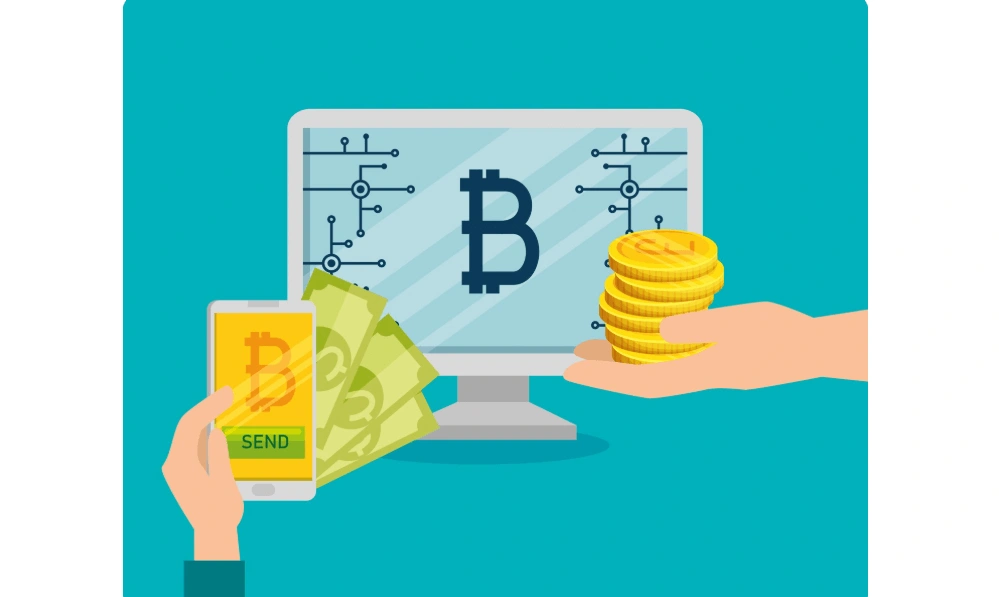
The emergence of tokenized US treasuries and money market funds is reshaping operational workflows for institutional cash management. These digital representations of traditional liquidity instruments aim to enhance operational efficiency, transparency, and reconciliation, without altering the fundamental characteristics of the underlying assets.
For administrators, treasury teams, and compliance departments, tokenized instruments introduce changes in subscription and redemption mechanics, custody responsibilities, and platform integration that require careful operational design.
Tokenized liquidity products operate as digital representations of conventional instruments. US treasuries or money market fund units are issued on permissioned blockchain networks, allowing institutions to transact or settle positions using cryptographically verifiable ledgers.
While tokenization does not change the risk profile of the underlying instrument, it does alter the way that liquidity flows between parties and how recordkeeping is maintained across operational and compliance systems.
Content
Subscription and Redemption Mechanics in Tokenized Instruments
One of the first operational considerations for tokenized treasuries and money market funds is the way units are created and redeemed. Subscription processes involve the issuance of digital units upon receipt of cash or collateral, while redemptions remove units and release funds back to the investor. These workflows are executed on-chain, often supplemented by traditional back-office reconciliation.
Administrators overseeing tokenized fund operations emphasize several key operational checkpoints:
- Verification of incoming funds against subscription requests
- Ensuring that unit issuance matches the underlying asset allocation
- Timestamping redemptions to maintain accurate NAV and liquidity records
- Coordinating on-chain records with custodial or accounting systems
By leveraging blockchain-based ledgers, administrators can automate some verification steps while maintaining alignment with established operational controls. Event-driven triggers allow subscriptions and redemptions to be recorded as they occur, reducing latency compared to traditional batch processing. This automation enhances visibility for treasury teams and simplifies reconciliation.
Custody Responsibilities and Operational Safeguards
Custody remains a critical operational consideration when working with tokenized liquidity products. Institutions must maintain segregated, secure accounts for tokenized units, and ensure that any movement of assets—whether treasuries or money market fund units—is fully documented and auditable.
Key custody practices include:
- Segregation of client and institutional holdings
- Policy-based permissions for transferring or redeeming tokenized units
- Cryptographically verifiable proofs of holdings
- Audit-ready reporting for internal and regulatory purposes
Custodians provide an additional layer of verification, bridging on-chain records with off-chain accounting systems. This hybrid approach allows institutions to manage operational risk while leveraging the efficiency benefits of tokenized instruments.
Integration with Existing Treasury Platforms
Another operational challenge is the integration of tokenized liquidity products with preexisting treasury and trading platforms. Early deployments show that while tokenization offers faster settlement and more transparent recordkeeping, it requires careful alignment with traditional infrastructure:
- NAV and valuation engines must recognize both on-chain and off-chain units
- Payment rails must accommodate transfers between digital and traditional systems
- Reconciliation workflows need to track real-time changes without disrupting existing reporting cycles
- Compliance and risk systems must validate that tokenized units adhere to investment guidelines
Integration efforts often involve middleware or gateway solutions that translate between blockchain protocols and legacy systems. By maintaining a dual layer of operational visibility, institutions can experiment with tokenized instruments without fully displacing conventional treasury workflows.
Operational Risk Oversight
Risk committees within large institutions are increasingly evaluating tokenized treasuries and money market funds with operational prudence. While the assets themselves retain conventional risk characteristics, the mechanisms used to record, settle, and verify transactions introduce new operational considerations.
Areas of oversight commonly reviewed include:
- Settlement finality and confirmation protocols
- Access controls and governance for on-chain unit creation or redemption
- Reconciliation frequency and automated alert systems
- Integration reliability with existing cash management and accounting systems
Operational risk assessment focuses on ensuring that tokenized liquidity products do not create gaps in control or transparency. This risk-oriented approach allows institutions to maintain adherence to internal policies and regulatory expectations while taking advantage of operational efficiencies.
Benefits of Event-Driven Processing
Tokenized liquidity products provide a distinct operational advantage through event-driven processing. Each transaction, whether a subscription or redemption, can trigger immediate ledger updates, notifications, or automated accounting entries.
Event-driven architectures support more granular monitoring of cash flows, improve operational responsiveness, and reduce the likelihood of reconciliation errors.
While the underlying instruments remain conventional in risk and return, tokenized representations enable administrators and treasury teams to detect breaks faster, ensure accurate accounting, and maintain greater operational confidence.
Explore Institutional Digital Asset Workflows with Kenson Investments
As tokenized US treasuries and money market funds become increasingly integrated into institutional cash management, understanding the operational implications is crucial.
As strategic digital asset consulting partners, Kenson Investments provides educational insights designed to help organizations navigate subscription and redemption workflows, custody responsibilities, and integration with treasury systems through digital asset investment solutions.
Their digital asset consultants offer general market insights on operational considerations, automation, and reconciliation processes for tokenized liquidity products, alongside bitcoin investment advice. Register now to access resources to better understand how digital units are interacting with traditional operational infrastructure, enabling teams to evaluate processes safely and effectively.
About the Author
Daniel R. Whitford is a researcher and writer focused on digital asset infrastructure, institutional cash management, and tokenized financial instruments. His work examines operational workflows, custody practices, and on-chain accounting processes across tokenized liquidity products, including US Treasuries and money market funds. Daniel specializes in translating complex technical and operational developments into clear insights, helping readers understand the integration of digital assets with traditional financial infrastructure.
Disclaimer: The information provided on this page is for educational and informational purposes only and should not be construed as financial advice. Crypto currency assets involve inherent risks, and past performance is not indicative of future results. Always conduct thorough research and consult with a qualified financial advisor before making investment decisions.
“The crypto currency and digital asset space is an emerging asset class that has not yet been regulated by the SEC and the US Federal Government. None of the information provided by Kenson LLC should be considered as financial investment advice. Please consult your Registered Financial Advisor for guidance. Kenson LLC does not offer any products regulated by the SEC, including equities, registered securities, ETFs, stocks, bonds, or equivalents.”

Randal Daly has been following the crypto space since 2024. He is a passionate advocate for blockchain technology, and believes that it will have a profound impact on how people live their lives. In addition to being an avid blogger, Randal also enjoys writing about developments in the industry as well as providing useful guides to help those who are new to this exciting frontier of finance and technology.